
Sometimes the good guy still wins…
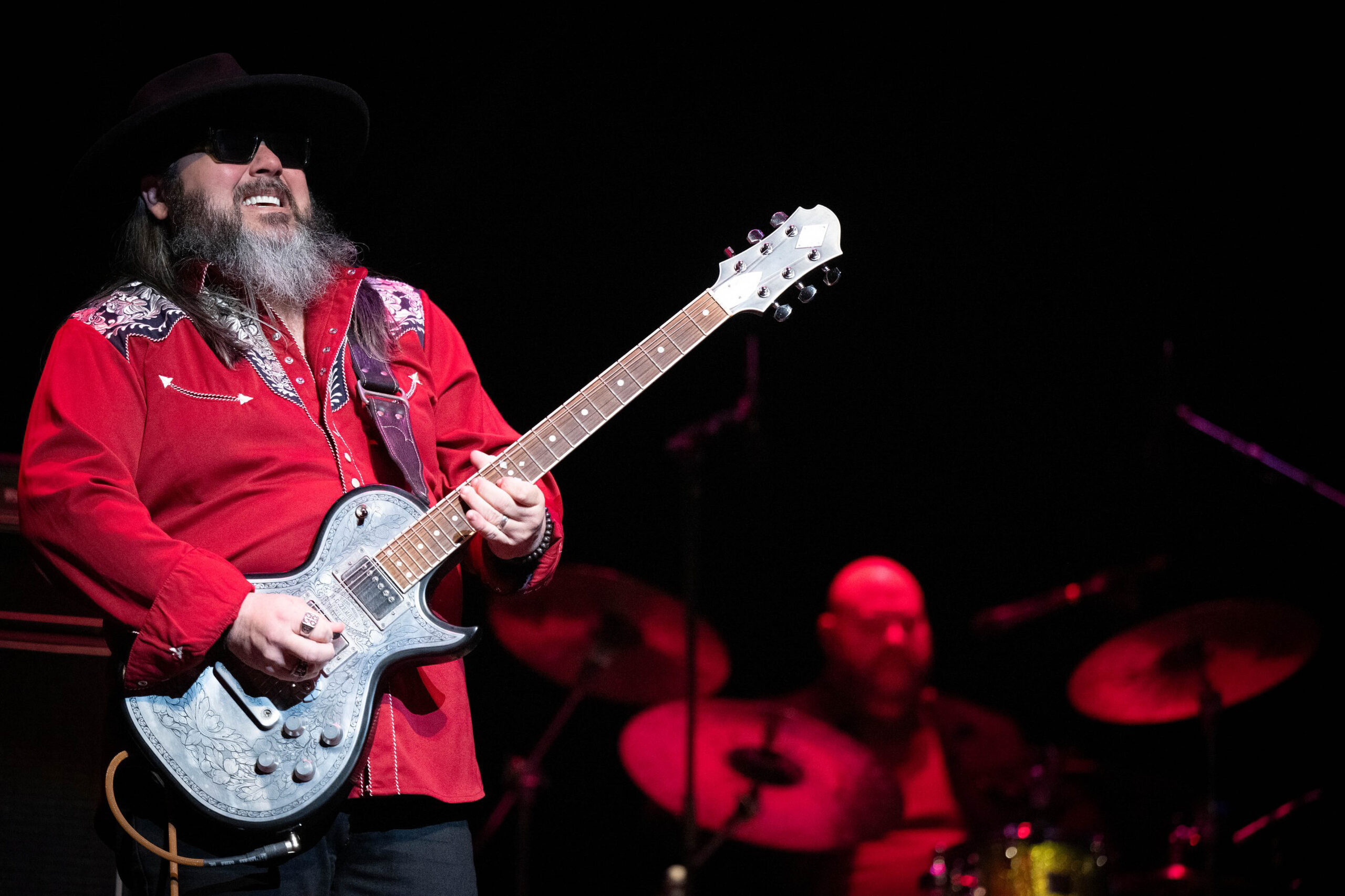
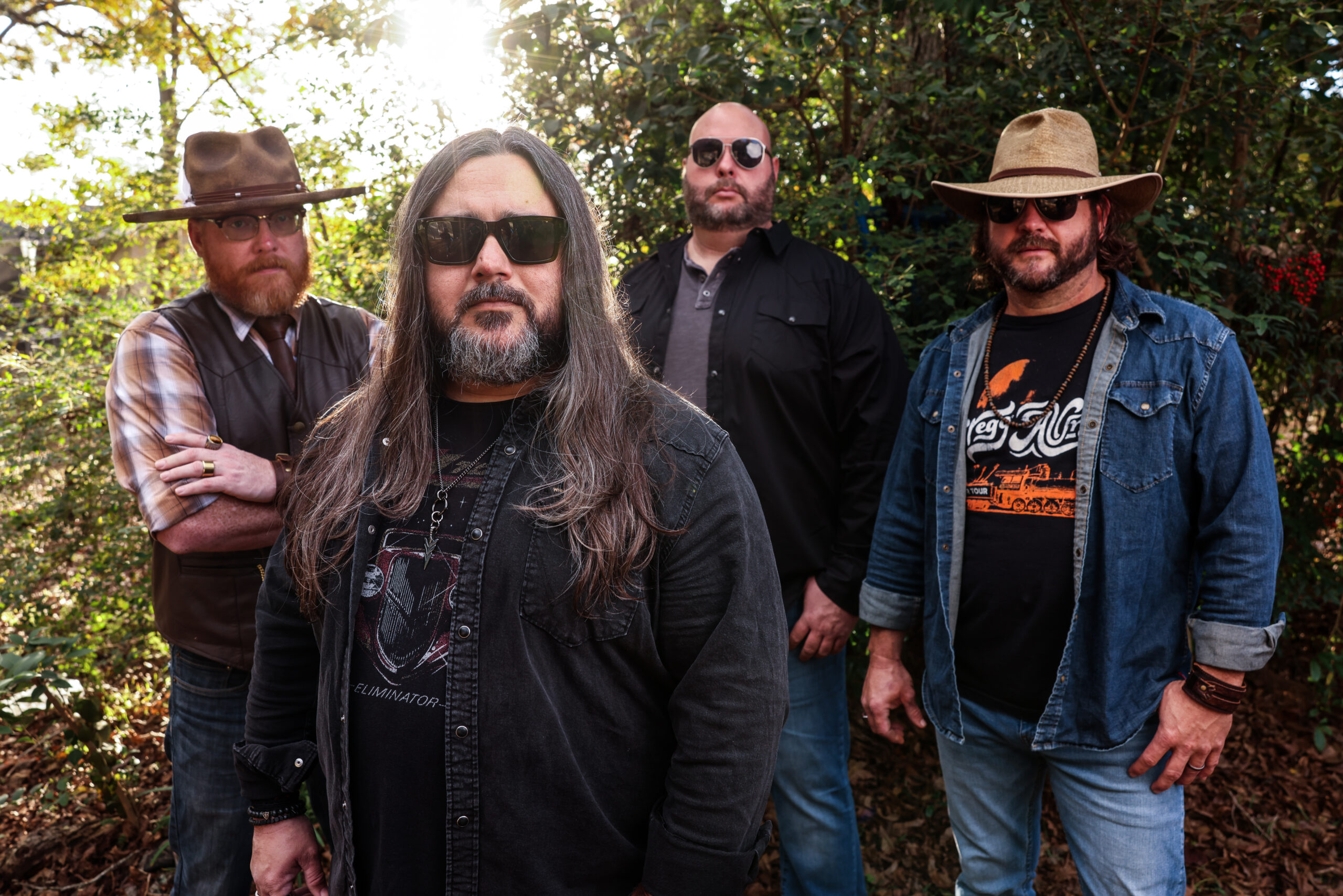
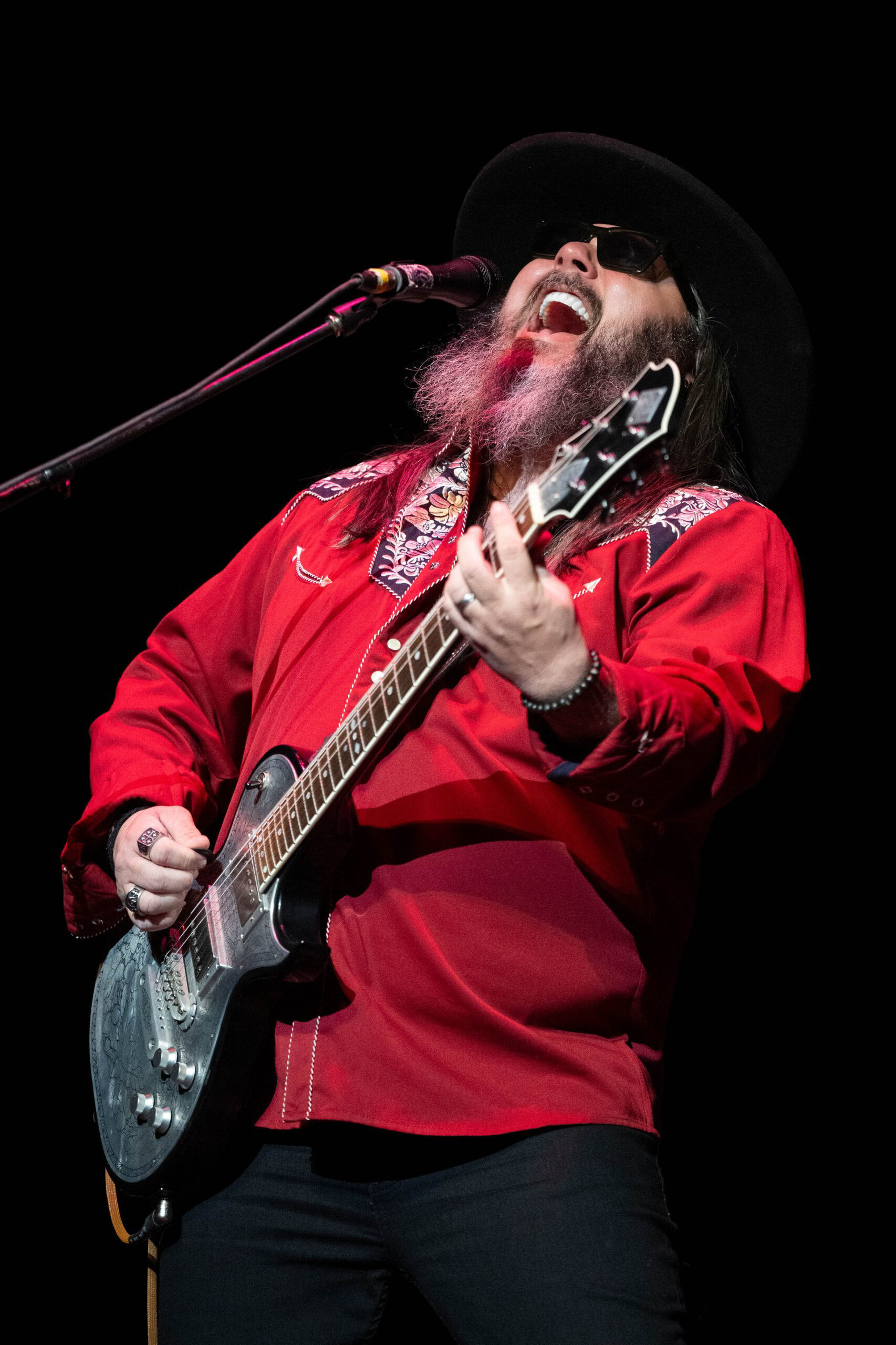
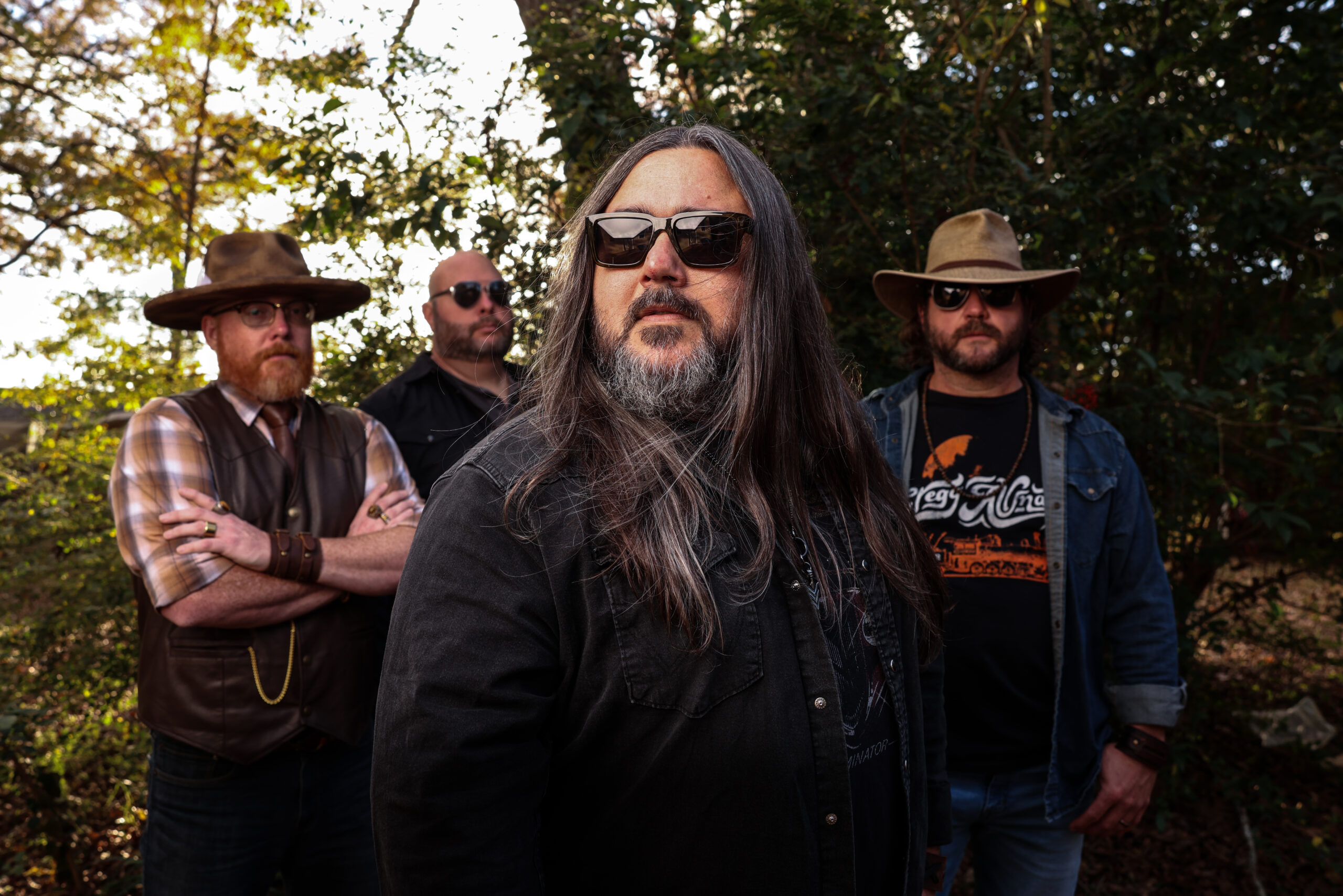
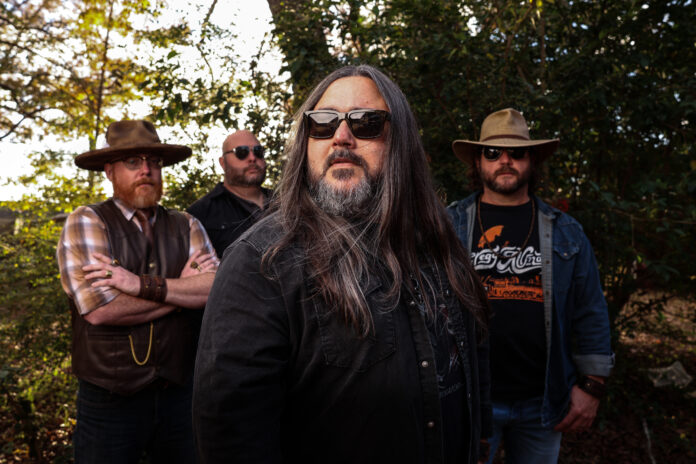
Fresh off dual wins at the 2026 International Blues Challenge (Best Band and Best Guitarist for Dove), Derrick Dove and The Peacekeepers are riding a wave of well-deserved recognition. Hailing from the area in and around Tifton, GA, Dove and The Peacekeepers play a brand of blues infused Southern and classic rock blended with a healthy dose of soul. Over the course of their fifteen plus year existence (they’re nobody’s overnight sensation), the quintet of Dove (guitar and lead vocals), Jamie Richardson (drums), Johnathan “JT” Thomas (keyboards), and Walt Dunn (bass) have released three full length albums and one EP.
Earlier this week I spoke to Dove via Zoom. The band was preparing for an expanded tour schedule that will keep them on the road for the bulk of the next seven months. Included in that schedule is the Telluride Brews & Blues Festival (September 18 – 20), where the band is slated to play four sets in three days. It’s a high profile opportunity to be sure. But given the band’s reputation for high energy live shows, it’s a challenge the band is ready to take on.
Though I’d never met or spoken to Dove prior to our call this week, talking to him was like chatting with an old friend. You’d never know that this is a man in the spotlight. He’s calm, relaxed, sincere and just plain down to earth. And while we certainly have much in common when it comes to our respective musical tastes (he had me when he made mention of Robin Trower’s 1974 masterpiece album Bridge of Sighs), what really stood out to me was Dove’s love of family, belief in the power of friendships and brotherhood, and the incredible sense of empathy he’s able to channel through his songwriting. Read on…
************************************************************************
Rick: Thank you so much for joining me today, Derrick. Let’s start with the obvious… congratulations on your dual wins at the International Blues Challenge this year. Top band honors, best guitarist honors for you. That’s a seriously big deal, my friend.
Derrick: Yeah, we’re still kind of in awe of the whole situation, just being kind of the dark horse, you know. This southern fried blues rock band showing up and kind of sweeping the thing. There were so many great bands. I’m still just blown away.
Rick: Well, that’s what I was going to ask you about. I mean, there’s so many great bands from all over the world that you’re competing against. It had to be nerve wracking.
Derrick: Oh, man, there was one band, I think from South Korea. I don’t even think they spoke English, but they were fantastic. And you see these guys, you realize that music and the blues really is a world language that lets people speak to each other without even understanding each other. It really is eye opening.

Rick: I know, Derrick, that you came from a family where there were a lot of musical influences. Your dad was a DJ, so you got exposed to a lot of music through that. And you started playing in his band as a drummer when you were 10 years old. Were you any good?
Derrick: (Laughs) I could keep a beat… that was about it. I was a chunky little kid with a permed mullet playing drums and singing “In The Midnight Hour” by Wilson Pickett. That’s about the extent of my drumming abilities.
Rick: Two years later, when you were 12, you switched to guitar. Why the switch?
Derrick: We were actually watching TV one day, and I was going through the channels, and this concert come up on TV, and it was Austin City Limits. And I was like, Dad, you got to come check this guy out. I don’t know who this is, but he’s killing it on guitar. And he goes, Son, that is Stevie Ray Vaughan.
Rick: Man, the minute you said it was Austin City Limits I knew exactly who you were talking about. I remember watching that concert and seeing him play the guitar behind his back and just staring in amazement.
Derrick: Yeah, and I was like, Dad, I don’t want to play drums anymore. I want to do that, you know. So Santa Claus brought me a Squier Telly (Telecaster) for Christmas that year.
Rick: That’s awesome. So besides Stevie, what other guitar players was 12 year old Derrick Dove jamming to?
Derrick: Man, I was the only person I remember in middle school with a Jimi Hendrix t-shirt. You know, everybody back then was listening to Green Day and Offspring and some of the new rock bands. But I just always leaned toward the older stuff. That’s just what I grew up with, and that’s what I related to. What really set me on fire was Hendrix, and the classic rock stuff like Led Zeppelin. I had all my dad’s old records. Santana. And then I got deep into the blues. I had Little Milton’s Greatest Hits. And my dad would bring me all kinds of stuff to listen to like Kool and the Gang and the Commodores, so I could go DJ some parties. He brought me America’s Greatest Hits, and Neil Young’s Harvest, and Robin Trower’s Bridge of Sighs. And then he’s like, “I found these two young kids I thought you might like… Kenny Wayne Shepherd and Johnny Lang.” I just soaked all that stuff up.
Rick: Wow… that’s like a tour down memory lane of a lot of the music I’ve loved over the years. Robin Trower’s Bridge of Sighs? That’s one of the greatest albums every recorded. But I digress. Now, were you also singing at that point?
Derrick: Yeah, I always fancied myself a singer first. I have videos of me when I was like, three years old – my dad’s got that huge camcorder on his shoulder – and I’m singing “Big Boss Man” by Jimmy Reed. I’ve always been a singer, even before I was 10, playing drums in my dad’s band. He would get me up to sing a song, you know, whether it be “Johnny B. Goode” or something like that. Yeah, I was definitely a singer first before a guitar player.
Rick: You formed the band that would ultimately become Derek Dove and The Peacekeepers in 2010. It was another eight years before you released the first album, and since then you’ve released two more albums. I mean, that history goes back more than 15 years, and with the exception of Don (Don Hill lll, the band’s original bass player), you’ve kept the whole band intact for that entire time. How did you manage to keep the dream alive, working toward that “big break,” for that amount of time?
Derrick: Well I’ll tell you… first and foremost, we’re a brotherhood. It’s not just a job for us. We’re all in this for life. It’s not like we’re going to quit and if this doesn’t work out, we’re going to go cut meat at Publix. It’s just not like that. We all grew up together, so we were all buddies to start with. Even our new bass player, Walt… he literally grew up five miles from me. So it really is a brotherhood. And it’s not about if this happens, we’ve always looked at it as when it happens. And like I said, we’re all in this together. It’s more than a friendship. I’m closer to these guys than I am to half my family, just because I’m on the road with these guys, year after year after year after year. There’s a bond there, and as cliche as it sounds, that bond can’t be broken.
Rick: Shifting gears a bit… I generally don’t call out individual songs in interviews because it’s a rabbit hole that we could go down for hours and hours. But I do want to talk to you about the song “When Did I Get Old?.” That’s been an incredibly successful song for you. And it’s such a poignant song, especially for an old guy like me. I mean, the lyrics really resonate. I especially love the line. “Did time speed up, or did I slow down?.” I’d love to hear about the inspiration for that song. I mean, you’re not that old, dude!

Derrick: (Laughing) I get that a lot, you know… Wait a minute, you’re not that old, but you’re writing this song. So, my dad had such a big influence on me. I lost him in 2018 right after the first album came out. He got to see the CD release party. He got to see and hear the album. A month later, he passed unexpectedly, and you never know what you’re going to do in those situations. I know we all have to go through that. We all deal with it. And so I started writing “When Did I Get Old?.” I had the title… I knew I wanted to write something called “When Did I Get Old?,” but I didn’t know where I was going to draw that inspiration from. I just knew the song title was kind of cool. And then I sat down, and I started thinking about my dad and the stories he told. He was born in the 40s, so he saw dirt roads becoming interstates. He saw integration and civil rights, and dealt with growing up in the 60s and being free. My dad was a free spirit, and he never held anything back, never shunned anything. He told me all of his life experiences, good, bad, the ugly.
He wasn’t a big songwriter, though he could play and sing. So I wanted to write a song from his perspective. If he could sit down and write this song, what would he write? Some of the things he’s seen in the peaks and valleys he went through. That’s where it all came from… putting myself in my dad’s shoes. You know, he had early onset dementia, which is a terrible thing. Dementia and Alzheimer’s are just… I hate them.
My dad was always the life of the party for decades. To see him retire to his recliner was just rough to watch. But is also had to be rough on him, you know, looking back. Or it could be that he could be content with it… that it’s just life. Anyway, I just wanted to write a song from his perspective.
Rick: We’re coming up to the end of our time, but I’ve got to ask you just one more thing. Everything I’ve read about you tells me that you are a dedicated family man. I read a fantastic quote from you, where you said your definition of success was being able to, and I’ll quote you here, “make a living playing music that I write, and it touches people, and I can support my family.” That really touched me because I feel the same way about family. The band has tremendous momentum right now. You have the awards, and the acknowledgement, and it just seems like the moment is here for you. Given all that, does it change or modify in any way that definition of success you talked about?
Derrick: No, it doesn’t. It’s still about playing music that touches people. And yes, we’re going to be traveling a lot more and touring and going international and doing the whole deal, but there’s no better feeling than stepping through that front door at night and having the kids shout out, “Daddy, Daddy’s home!.” That’s what it’s all about. You know, I’m not in it for self-servicing reasons. It’s the whole thing, the culmination of everything. It’s family, love, and music, and brotherhood. It’s all together, because one piece doesn’t fit without the rest of it.
Rick: That’s well said. I really appreciate that. And with that, I’m sad to say our time is up. Thanks again, Derrick for spending time with me today. Congratulations again on your IBC success, safe travels during your tour, and we’ll see you in Telluride in September.
Derrick: Thanks so much, Rick. That really means a lot.
************************************************************************
Derrick Dove and The Peacekeepers will be performing four sets at the Telluride Brews & Blues Festival, September 18 – 20 (2:00 pm on September 18, 1:00 pm and 5:40 pm on September 19, and 4:00 pm on September 20). Tickets are available online at https://www.tellurideblues.com/tickets.
Scheduling note: When I was setting up this interview with Derrick, I noted that the band had open time in their schedule both before and after the festival, and that it would be outstanding if they could schedule a show or two along the Colorado Front Range either on their way in, or out. I don’t know how likely it will be for that to happen, but if it does, I’ll be sure to post a follow up to let you know.
Story by Rick Witt www.rickwittphotography.com
Photos used by permission